More than 85% of financial services companies are actively using AI in fraud detection, IT operations, digital marketing, and risk modeling. But as AI permeates the decision-making process, a question that was once theoretical is now urgent: when AI fails and people suffer the consequences, who is liable?
In Finance, Error Is Expensive
A flaw in an AI credit scoring system can deny someone a mortgage they qualify for. A mistake in a risk model can expose an institution to losses that take years to recover from. An automated system that misinterprets a regulation can create legal, reputational, and compliance problems all at once.
The same principle applies to external threat detection. When an AI system misclassifies a legitimate site as malicious, or fails to flag a phishing site impersonating your brand, the consequences cascade quickly. Customers lose trust. Revenue disappears. Legal exposure grows. This is why accuracy matters so much in threat detection, and why Bolster AI holds its platform to a 99.999% accuracy standard.
The Accountability Gap
AI systems operate in ways that are often difficult to explain, even to the experts who built them. As firms deploy generative AI and deep learning, the logic behind decisions becomes harder to trace.
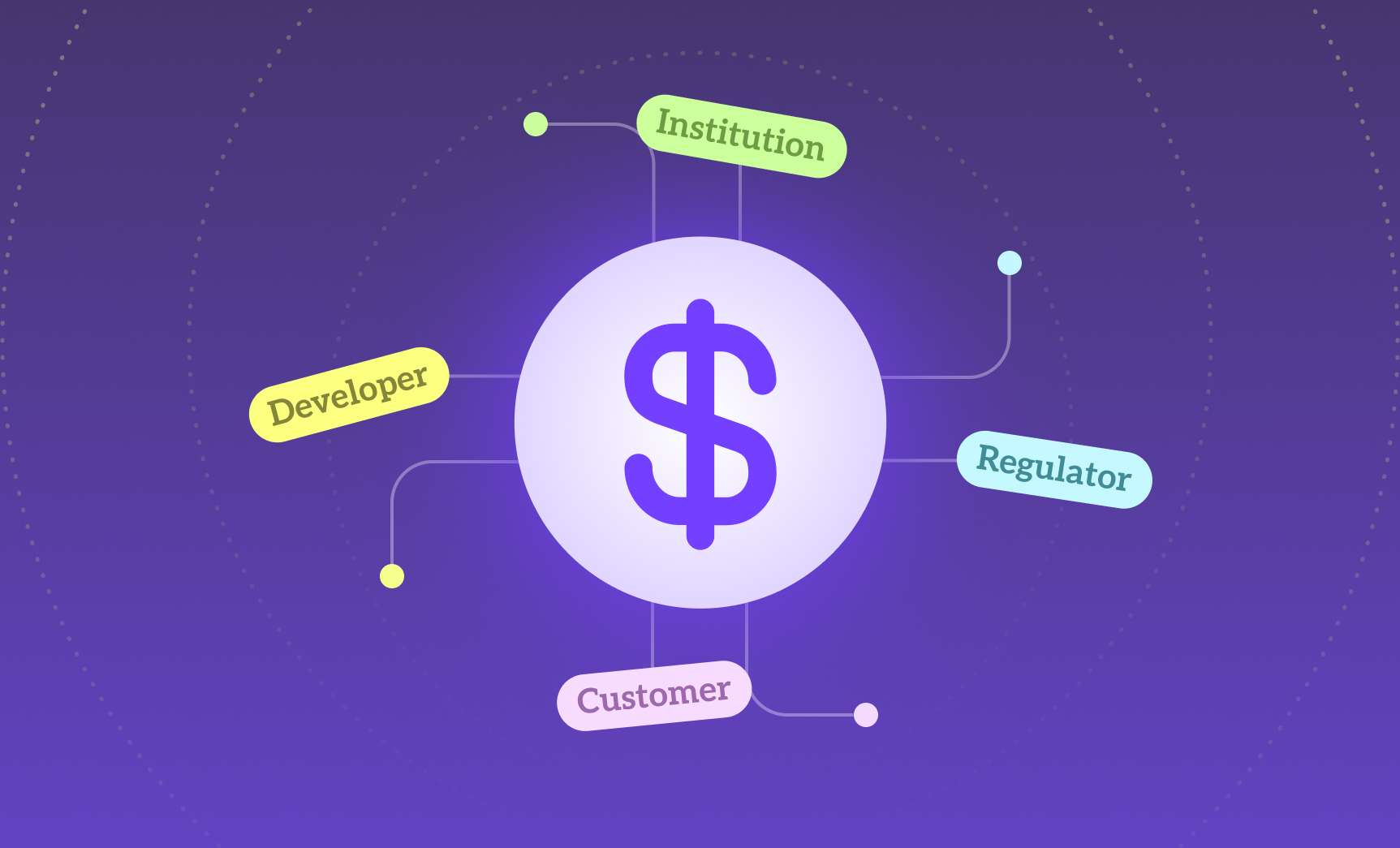
This creates an accountability gap. When a human analyst makes a wrong call, the chain of responsibility is clear. When an AI system makes a wrong call, that chain gets tangled almost immediately. The developer says the model performed within spec. The institution blames the vendor. The regulator asks why oversight wasn’t in place. The client who was harmed waits for an answer that may never come.
Accountability can’t be an afterthought, activated only after a crisis.
How Regulators View AI in Finance
Regulatory bodies around the world are beginning to act. The position from most financial regulators is clear: the institution remains responsible, even where decisions are made automatically or via external AI systems.
Outsourcing a decision to an algorithm does not outsource the liability. If a bank deploys an AI model that systematically denies loans to qualified applicants based on biased training data, the bank is responsible. Not the model. Not the vendor.
The FCA, PRA, and Bank of England have jointly highlighted that explainability, accountability, and resilience are essential features of AI in financial services. The EU Artificial Intelligence Act sets new standards for high-risk AI systems. In the U.S., the Treasury Department released a Financial Services AI Risk Management Framework with practical tools to help institutions embed accountability into AI deployment.
The regulatory direction is consistent: AI adoption is encouraged, but accountability stays with the institution. There’s no safe harbor behind an algorithm.
The Governance Problem Inside Organizations
Regulatory clarity at the macro level doesn’t automatically translate into good governance inside individual institutions. 71% of technology leaders don’t trust their organizations to manage future AI risks effectively. The people closest to the technology are the least confident it’s being governed responsibly.
Part of the problem is structural. Without centralized oversight, you get fragmented governance, unclear responsibilities, and inconsistent standards across business units. In large financial institutions, AI systems are often deployed across multiple divisions with different risk tolerances and different interpretations of responsible use.
Every significant AI system needs a designated owner who understands the model and manages its risks. AI risks should be incorporated into the institution-wide risk inventory. This is sound guidance. But it requires genuine organizational commitment, not just a checkbox nobody reviews until something breaks.
The same challenge applies to external threat protection. Many organizations still treat phishing and brand impersonation as isolated problems handled by different teams with no unified view. Platforms like Bolster Signals are designed to converge fraud, cyber, and brand signals into a single intelligence layer so CISOs can see the full picture.
Human Oversight Is Not Optional
Human oversight in AI-driven finance is a functional requirement. An institution can’t claim meaningful accountability over an AI system if the people overseeing it lack the training, time, or authority to question what it produces.
When something goes wrong, responsibility sits with everyone involved. The financial institution bears primary legal responsibility. The humans overseeing the system carry professional responsibility for the quality of their oversight. Vendors are responsible for accurately representing what their systems can and can’t do.
Accountability must be built into how AI is deployed, monitored, and governed from the start.
The Path Forward
The firms that navigate AI responsibly won’t necessarily be the ones with the most sophisticated technology. They’ll be the ones with genuine accountability structures, clear model ownership, robust human oversight, and a culture where questioning an AI’s output is considered doing the job properly.
AI will continue to get things wrong. That’s not a reason to avoid it. It’s a reason to deploy it carefully and oversee it rigorously. The machine doesn’t carry the consequences. People do.
For teams detecting and responding to external threats like phishing and impersonation, or monitoring the dark web for exposed credentials, the same principle holds. Automated detection saves enormous time. But human analysts reviewing edge cases and making judgment calls on ambiguous threats—that’s what separates a good program from a great one.